
The afternoon, on your feet
You are carrying two people's worth of day.
Everything takes a little more effort. Your lower back and hips notice first.
The people in these stories are illustrations, not real clients.
The moment
Everything takes a little more effort. Getting out of a matatu, turning over at night, putting on your shoes. Your lower back and hips notice first. Everyone says you are glowing, and you are also very tired.
What is usually going on
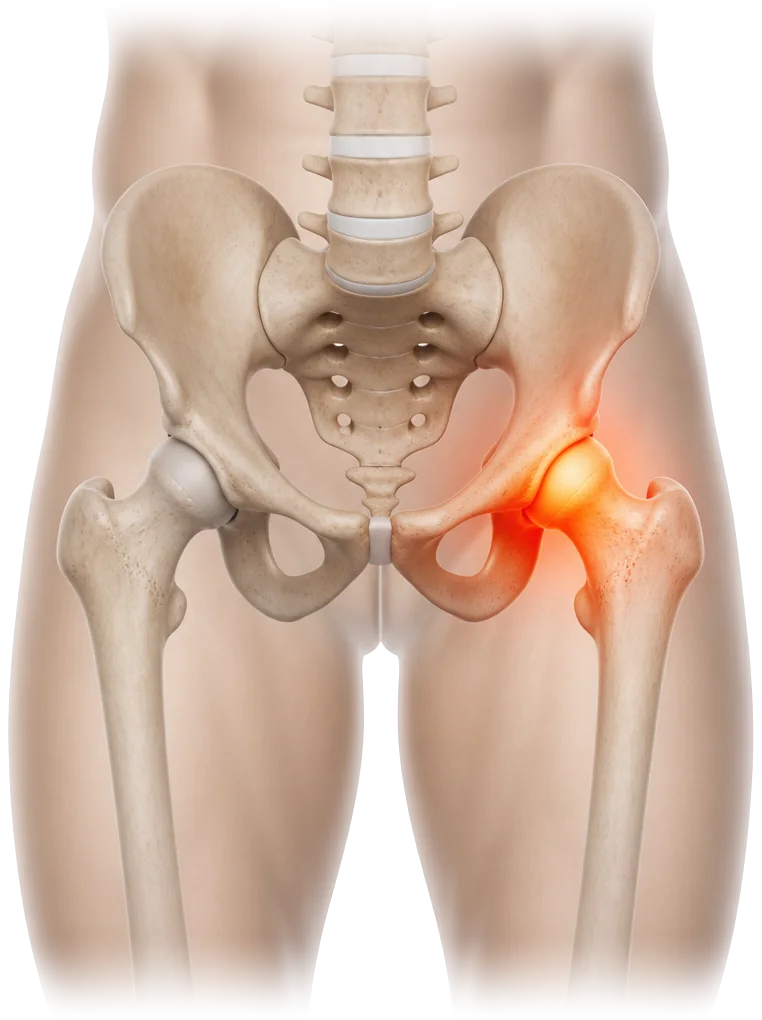
During pregnancy the body releases hormones that soften ligaments to prepare for birth. The growing bump moves your centre of gravity forward, which changes your posture and loads the lower back, hips and pelvis. Sore hips, back pain, pain at the front of the pelvis and leg cramps are common, and many people find gentle movement, good support and a little hands-on care make the days easier. Pain is common, but it is not something you have to simply put up with.
Now
Back and hip ache by afternoon, discomfort turning in bed, and worry about whether it is safe to exercise.
Our aim
Comfortable days through the pregnancy, and a body you feel more ready to trust.
What we do about it
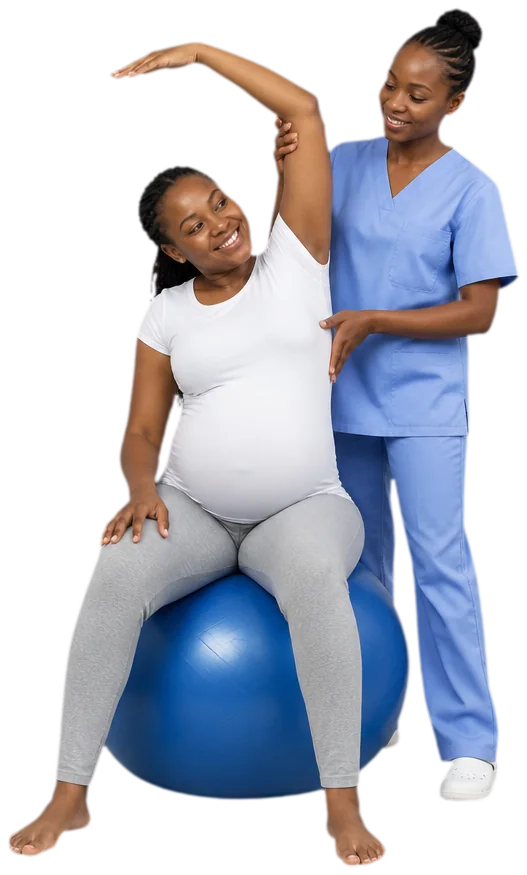
Prenatal physiotherapy and prenatal massage at your pace, with positions that suit your stage of pregnancy. We show you safe exercises, how to get in and out of bed and a car with less strain, and ways to support your back. We work alongside your doctor or midwife and ask you to check with them first where needed.
One thing to try today
Sitting on a ball
- Sit on a stability ball with your feet flat and wide, next to a wall or sturdy support.
- Rock your hips gently side to side for one minute.
- Breathe slowly.
Stop if you feel dizzy, cramping, bleeding or pain.
This page is for general information and is not a substitute for personal medical advice.