
The bedroom floor
The first ten steps are the slowest.
The alarm goes. Your feet find the cold floor. Your knees, your hips and one hand on the wall decide how the next ten steps will go.
The people in these stories are illustrations, not real clients.
The moment
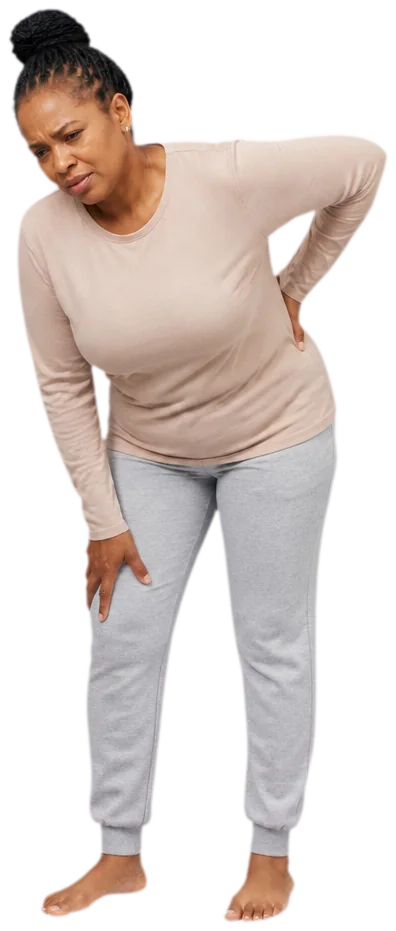
The alarm goes. Your feet find the cold floor. You sit for a second on the edge of the bed, then stand, and your knees and hips tell you what they think about it. You reach for the wall. By the time you reach the kitchen it has eased, and you tell yourself it is nothing. Tomorrow it happens again.
What is usually going on
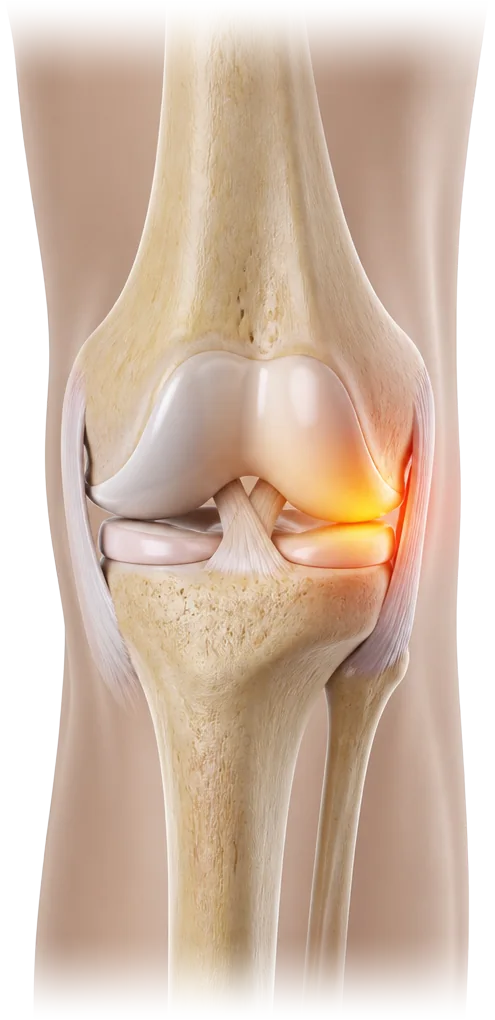
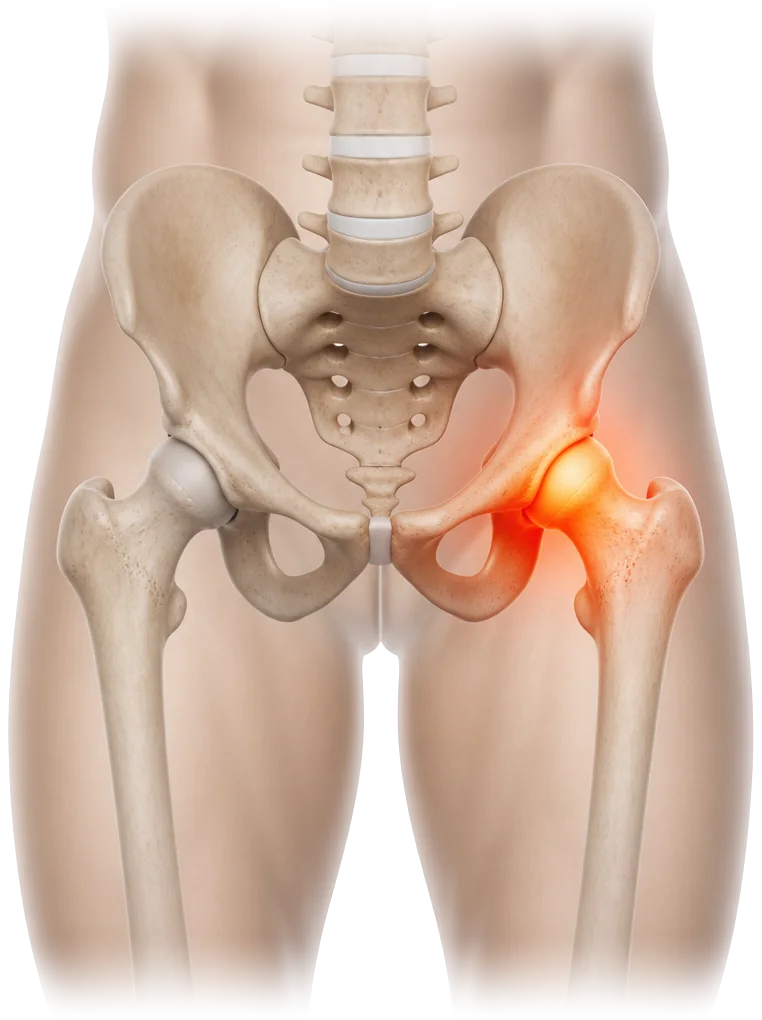
Joints and muscles stiffen when they have been still for hours. The fluid in a joint is thicker after a night of rest, and the muscles around it have gone quiet. Moving warms them up, which is why many people feel better after a few minutes. Stiffness that goes within about half an hour is common. Stiffness that lasts much longer, that wakes you at night, that comes with swelling or heat in a joint, or that is getting worse over weeks, deserves a proper look. Weak hips and thigh muscles, joint wear, an old injury and long hours of sitting can all play a part, and a physiotherapist can usually tell which by watching how you stand, sit, step and climb.
Now
Getting out of bed takes a plan. You hold the wall, you avoid stairs when you can, and you start the day annoyed at your own body.
Our aim
Getting out of bed without needing the wall, and taking the stairs without counting them.
What we do about it
We begin by listening. When did it start, which joints, what makes it better or worse. Then we look at how you rise from a chair, walk, and climb a step. We treat what we find with gentle hands-on work where it helps, and we teach you a short set of movements for the morning. We do not ask you to buy anything to start.
One thing to try today
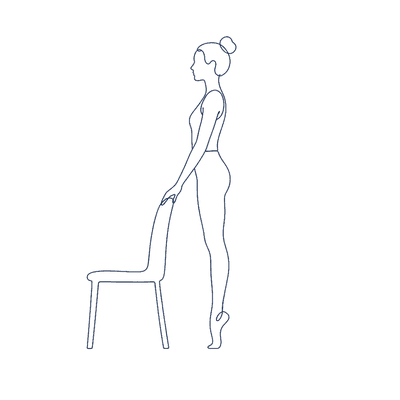
Heel raises
- Stand behind a sturdy chair or beside a kitchen counter and hold it lightly.
- Rise slowly onto the balls of your feet.
- Lower slowly.
- Do ten, then rest.
Stop if you feel sharp pain, dizziness or chest tightness.
This page is for general information and is not a substitute for personal medical advice.